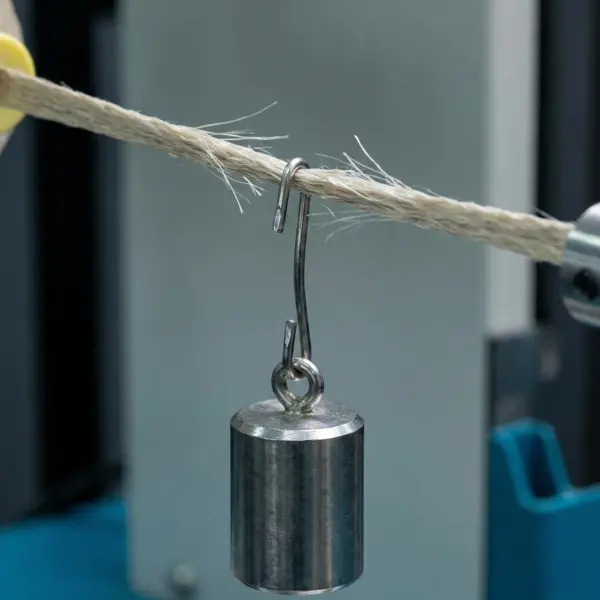
A practical guide for denim manufacturers to reduce seam failure, skipped stitches, and rework losses.
Denim seams experience repeated stress from wear, wash cycles, and movement. Selecting the wrong thread causes breakage, seam puckering, and production downtime.
1) Match thread strength to seam load
For side seams, waistbands, and high-tension joins, prioritize tensile strength and abrasion resistance. Balance this with flexibility so stitch lines remain clean after garment wash treatments.
2) Keep needle and thread in sync
Needle size and point type influence thread performance. If needle eye clearance is poor, heat and friction increase breakage risk. Run controlled trials before bulk production.
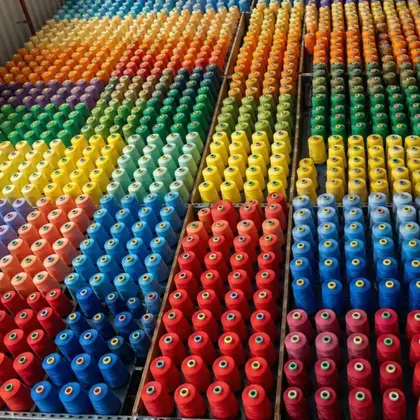
3) Validate with line-speed tests
Evaluate stitch appearance, break rate, and seam integrity under real line speed. Record lot-wise outcomes so sourcing and quality teams can replicate successful combinations.
Article FAQ
Which thread is best for denim seams?
High-strength polyester threads are commonly used for denim because they offer durability and abrasion resistance.
How do I reduce thread breakage in denim sewing?
Calibrate needle-thread compatibility, optimize machine tension, and test thread lots under production speed.